'Lest we forget' our history
For the better part of a century, the man at the center of a 1919 riot in Omaha has lain in an unmarked grave.
William Brown was a 40-year-old black meatpacker. On Sept. 26, 1919, he was arrested on charges of raping a white woman. Two days later, he was beaten, hanged, shot and burned by a lynch mob angered over a crime for which he was never convicted.
He lay in an unmarked grave in Potter’s Field, the Douglas County cemetery for the poor and unknown, for nearly 90 years — until an unlikely donor stepped in.
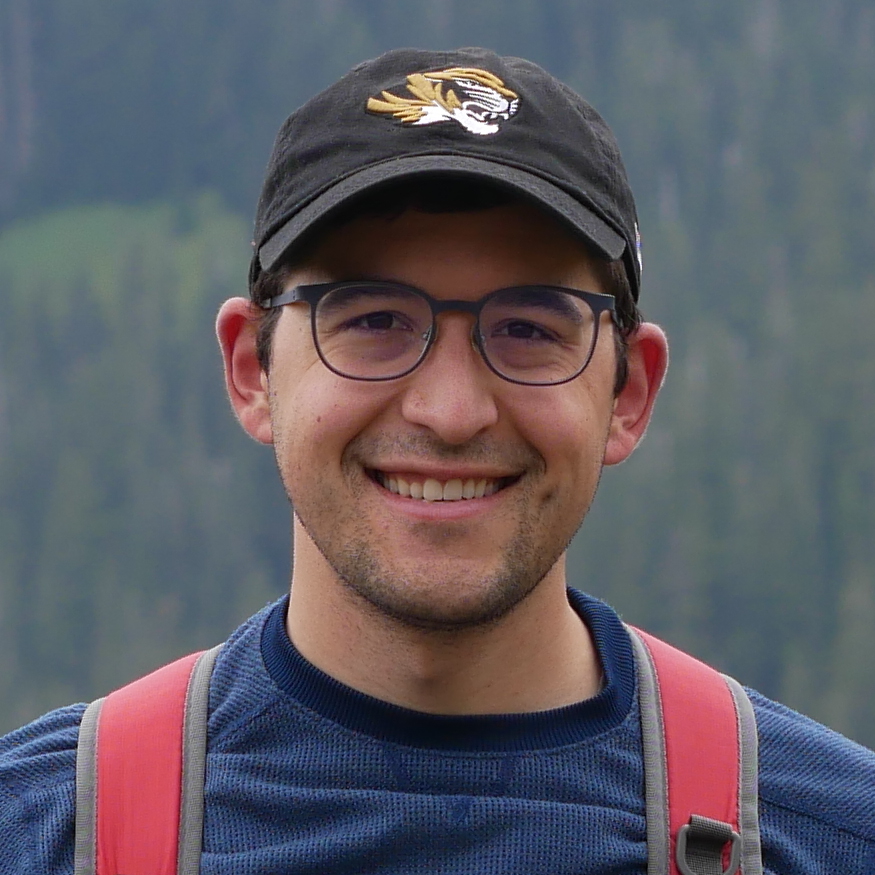
Last month, workers laid a headstone donated by Chris Hebert of Riverside, Calif.
Hebert, an engineer for an electronics company, has no Omaha ties and has never visited the city. He had never heard of Brown or the Omaha riot.
“I just happen to watch a lot of TV,” he said.
He was watching a special on actor Henry Fonda, a Nebraska native. The show mentioned a riot in Omaha while Fonda was growing up.
Hebert searched online for more information. What he found was appalling.
“Just looking at the pictures of people grinning and smiling with their feet on his corpse, I can’t tell you what that did to me, as a person of color and just as a person,” he said.
He spent hours online reading about the riots and came upon a story about Brown’s unmarked grave. He started making calls to city officials and eventually spoke to Greg Easley at Forest Lawn Memorial Park. Easley helped make arrangements with the city, and shortly thereafter, Hebert paid about $450 for the grave marker, which Forest Lawn installed at Potter’s Field.
“You think of all the people in Omaha who could have gotten this done, and it took a guy out of California who happened to come across a footnote from Henry Fonda’s life,” Easley said. “The whole story is amazing.”
The headstone bears the inscription “Lest we forget,” chosen by Hebert.
“I think there is a definite lesson to be learned here,” Hebert said.
That lesson, he said, is to let the law run its course and to trust in the legal system. He said that the country has come a long way since 1919 and that progress is reflected in the election of a black president.
“We’re definitely moving in the right direction,” he said. “The way to keep moving is to let people know how we got here today.”
Evidence suggests that Brown might have been innocent — some accounts say he suffered from joint pain that limited his mobility — but he never got a chance to make his case.
As he sat in jail two days after his arrest, a huge mob gathered outside the courthouse demanding that he be turned over. They set fire to the courthouse and just before 11 p.m., rioters stormed the building and seized their target.
The mob beat him and hanged him from a lamp pole, then riddled his body with bullets. They dragged him through the streets and, at the corner of 17th and Dodge, set his body on fire.
The mayhem continued for hours after Brown died. The city called in federal troops to restore calm, and the riot was widely reported and widely condemned. In a Pulitzer Prize-winning editorial, World-Herald editor Harvey E. Newbranch called for respect for the rule of law.
Brown was buried on what was then the far reaches of town in Potter’s Field, which is just west of Florence. Like most buried there, his grave was left unmarked.
James Calloway Sr, acting director of the Great Plains Black History Museum, said Brown’s story fell to the wayside during the 1940s and 1950s. It was revived in the 1960s, during the civil rights movement, but the cemetery had closed and fallen into disrepair.
“For years and years, no one even knew where the grave site was, or if there even was one,” he said.
Granite markers, installed as part of a 1986 renovation, listed all the buried as originally recorded, but individual graves remained unmarked.
Meanwhile, Brown’s story has lived on in historical accounts, including a 1998 play and vigils at the courthouse.
In 2005, Janice Maloney came across Brown’s story while researching family history. Her great-aunt, Agnes LoeBack, was the woman he had been accused of raping.
She learned that his grave was unmarked and asked Douglas County officials to locate it. After a story about her appeared in The World-Herald in June 2005, several local businesses and organizations expressed interest in buying a marker.
“I didn’t go out looking to get him a gravestone,” she said. “Things just kind of snowballed. People got involved and it just started happening.”
But the efforts never took off, and no stone was placed.
Hebert said he doesn’t fault the people of Omaha for leaving the grave unmarked. He said marking the site was easy when he wasn’t depending on others’ donations.
“The Lord’s been good to me,” he said. “I was able to do it, I had the money, and believe me, it made me feel good.”
Hebert hasn’t seen the marker — in fact, he didn’t learn it had been placed for several weeks — but he said he plans to travel to Omaha to see it.
The marking didn’t go unnoticed. Kokayi Ufanifu of Omaha, watched as surveyors located Brown’s grave and placed the marker.
Ufanifu led a candlelight vigil in September to mark the 89th anniversary of Brown’s death. He held a drumming ceremony at Brown’s grave shortly after the marker was placed.
He said seeing the grave finally marked was too moving to put into words.
“Tears came to my eyes,” he said. “It’s something that needed to be done that was long overdue.”